Embroidered Vests Versus Jackets for Teams
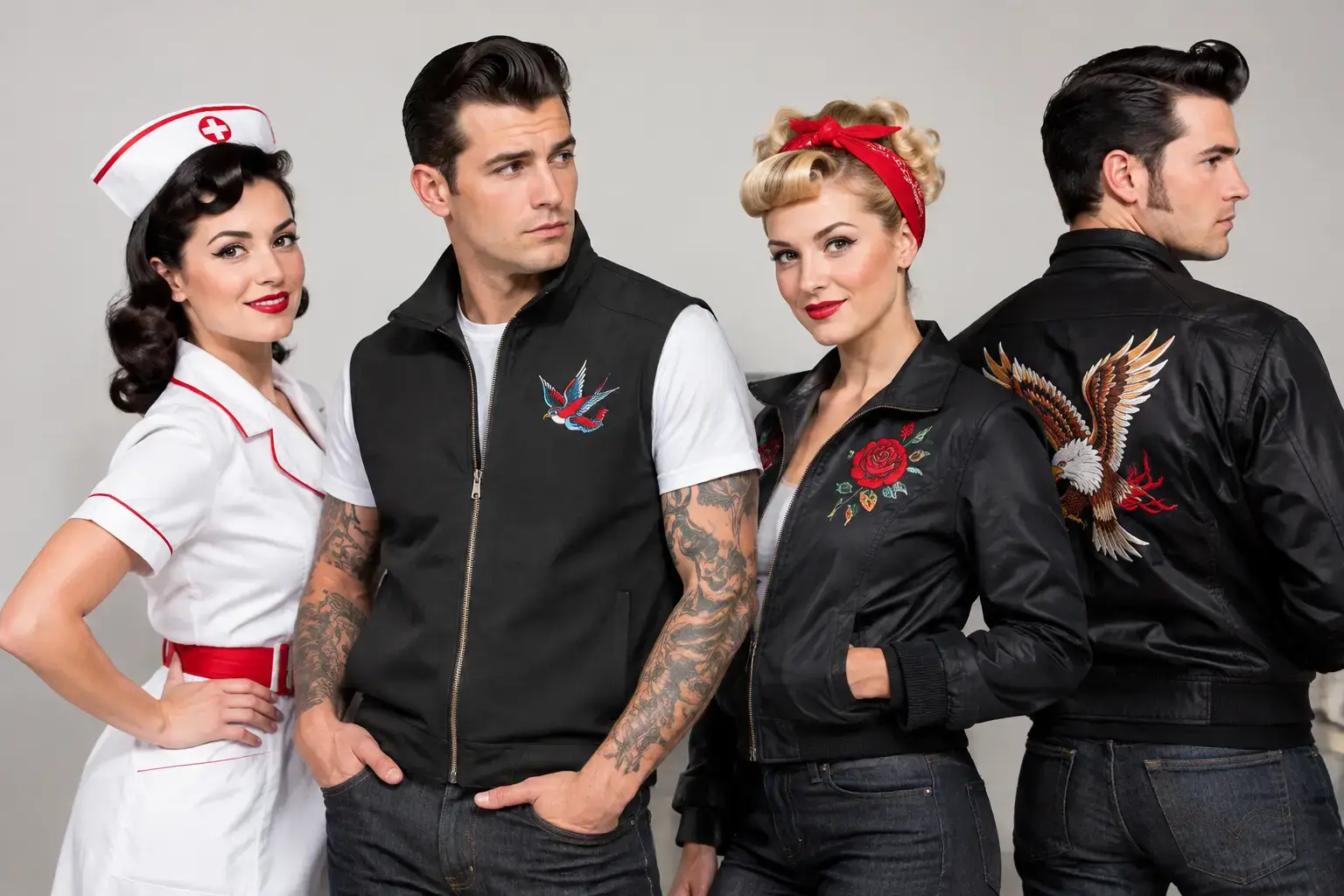
Compare embroidered vests versus jackets by warmth, movement, layering, logo placement, and daily use to choose the right piece for your team at work.
A team layer has to earn its place in the closet. It needs to feel right at 7 a.m., stay useful through changing temperatures, and carry a name or logo without looking like an afterthought. When weighing embroidered vests versus jackets, the better choice is rarely about which garment is more formal. It is about how people move, where they spend their day, and whether they need insulation, sleeves, or both.
A vest and a jacket can carry the same design, thread colors, and team identity. What changes is the way each piece works once it leaves the box. Choose well and it becomes the layer people reach for. Choose by appearance alone and it may spend more time on a chair than on a person.
Start With the Day, Not the Garment
The most useful question is not, “Which one looks better?” Ask what the wearer is doing when the temperature changes. A jacket gives full upper-body coverage for outdoor arrivals, cooler buildings, and roles that keep people stationary for stretches of time. A vest keeps the core warm while leaving arms free for lifting, reaching, driving, or working at a counter.
That distinction matters more than it sounds. Someone moving between a vehicle, loading area, front desk, and meeting room may appreciate a jacket they can zip up quickly. Someone who spends the day active may find sleeves restrictive or overly warm, especially indoors. Neither choice is universally better. The right piece should match the rhythm of the job rather than ask the wearer to adapt to it.
Consider the temperature range, too. For teams in mild climates or heavily heated buildings, a vest often has more mileage across the year. In colder regions, a jacket may deliver the coverage that makes it a practical daily layer. If a team works in both conditions, offering both can be smarter than forcing one garment onto every role.
Embroidered Vests Versus Jackets: The Wearability Test
When a vest makes more sense
A vest is a strong choice for people who layer often. It sits comfortably over a long-sleeve shirt, quarter-zip, or lightweight hoodie without creating bulk through the arms. It also gives the outfit a cleaner profile when a person needs flexibility at the shoulders and elbows.
Vests are especially useful for teams with varied activity levels. One person may be on their feet all day while another handles deliveries, equipment, or customer-facing tasks. The same vest can work over different base layers, allowing each person to adjust for the day without losing the shared team look.
There is a practical style advantage as well: a vest is easy to keep on indoors. It feels intentional rather than over-layered, which can make it the more frequently worn option for offices, showrooms, reception areas, and event staff.
When a jacket earns its place
A jacket is the better answer when the environment is consistently cool or unpredictable. Full sleeves protect against morning wind, chilly commutes, and drafty spaces, and they eliminate the need for the wearer to add a separate outer layer over their branded piece.
Jackets also create a more complete silhouette when the garment is meant to stand on its own. For a team attending an outdoor event, greeting clients outside, or moving between buildings, that added coverage can make a real difference in comfort. If people are going to wear the item as their primary outer layer, a jacket is usually the more dependable choice.
The trade-off is simple: more coverage can mean less flexibility and more warmth than some wearers want. That does not make a jacket less useful. It just means the garment should be selected for real conditions, not an imagined dress code.
Placement Changes the Conversation
The chest is the natural placement for a company logo, name, department, or credential on both vests and jackets. It is visible without competing with the rest of the garment, and it tends to hold up as a clear, balanced location across sizes.
A vest may offer a slightly cleaner canvas because the front panels are uninterrupted by sleeves. That can make a chest design feel especially crisp, particularly with a compact logo or a name-and-title layout. Jackets provide the same strong chest placement, while also opening up additional options such as a sleeve detail or a larger back design when the garment and artwork call for it.
More locations are not automatically better. A well-positioned chest design often says everything it needs to say. The goal is a finished piece that looks considered from across the room and remains comfortable at close range. Oversized artwork, crowded text, or a placement that lands too near a zipper can make an otherwise premium garment feel busy.
Before settling on either garment, look at the actual logo shape. A wide horizontal mark, a stacked logo, and a round emblem each behave differently on a left chest. The garment choice should support the design, not force the design into an awkward proportion.
Build for a Team With Different Preferences
A single style is easier to order, but ease is not always the same as adoption. If your group includes people who work in different spaces or have different comfort preferences, consider a coordinated vest-and-jacket program. Keep the garment color, logo placement, and thread colors consistent, then let people select the coverage that suits their role.
That approach preserves a unified appearance without pretending every day feels the same. It also recognizes that a person who works outdoors in the morning may need a different layer than someone who stays inside but moves constantly. Shared details create cohesion. The garment can still be personal in the way it performs.
For smaller groups, it may be more practical to choose one style and keep the decision simple. In that case, default to the conditions that create the greatest discomfort. If cold weather is the main complaint, choose jackets. If overheating and restricted arm movement come up more often, choose vests.
Think Beyond the First Wear
The best team apparel is not chosen for a photo day. It is chosen for the tenth wash, the unexpected cold front, the early call time, and the employee who has to get dressed before coffee has done its job.
Look for a garment with a weight and finish that fit the setting, then keep the design disciplined. Thread colors should be readable against the fabric. Names and credentials should have enough contrast to be useful. Sizing should account for the layers people are likely to wear beneath the piece, especially with jackets.
It is also worth deciding whether the item is intended as a daily layer, a seasonal piece, or a special-event garment. A vest that is ideal for mild weather may not replace a winter jacket. A jacket that works beautifully outdoors may be too warm for an active indoor shift. Clear expectations help a team choose the right tool for the right day.
A Better Way to Make the Final Call
If you are choosing between the two, gather input from the people who will actually wear them. Ask where they spend most of their time, whether they layer underneath, and what causes them more frustration: cold arms or limited movement. Those answers are more valuable than a quick vote based on appearance.
Then keep the design consistent and the garment purposeful. A vest is not a compromise jacket, and a jacket is not simply a vest with sleeves. Each solves a different comfort problem while giving your team a clear, coordinated finish.
The piece that gets worn most often is the one that carries your name furthest. Choose the layer people will be glad to pull on when the day starts early and the temperature has other plans.