Embroidery Turnaround Times: Plan Your Order
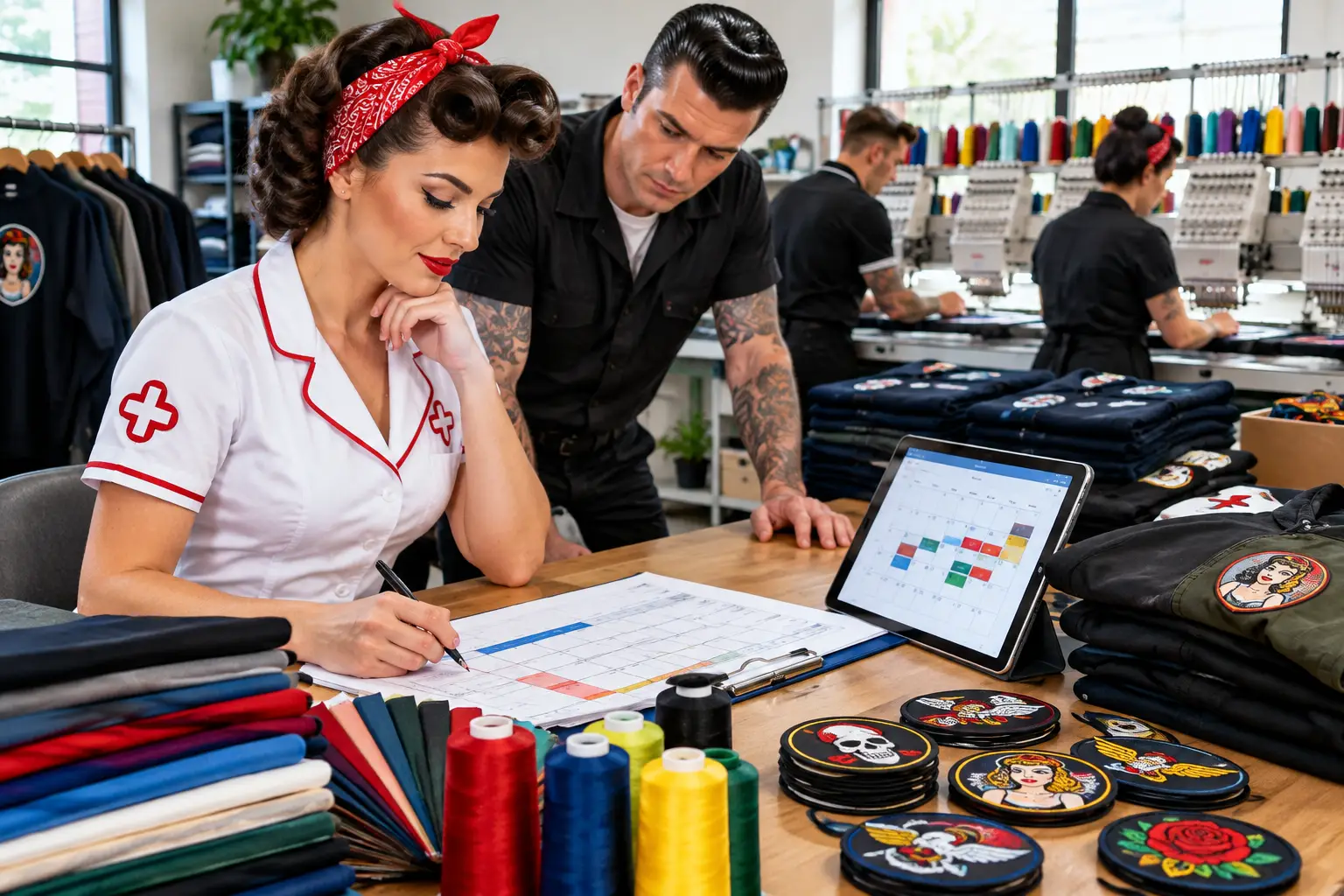
Learn what affects embroidery turnaround times, when to submit artwork, and how to plan polished custom apparel for your team without last-minute stress.
A team jacket order can look simple from the outside: choose the garment, add a logo, add names, place the order. In practice, embroidery turnaround times depend on several small decisions that happen before a needle ever touches the fabric. For a clinic opening, a barn show, a school event, or a new-hire uniform rollout, the best timeline is the one that leaves room for proofing, production, and a proper quality check.
Custom embroidery is durable workwear, not a rushed add-on. When logos, credentials, and individual names need to look consistent across a team, a little lead time protects the finished result. It also gives everyone involved the chance to make decisions with a clear head rather than at 9 p.m. before the event.
What affects embroidery turnaround times?
The short answer is that order complexity matters more than the calendar alone. A single embroidered name on an in-stock jacket is a different production job from outfitting 40 staff members in polos with a left-chest logo, names, credentials, and several garment sizes.
Artwork is often the first variable. A clean, embroidery-ready logo moves more efficiently through setup than a low-resolution image, a screenshot, or a design that needs detail simplified for stitching. Embroidery uses thread, not ink. Fine type, tiny gaps, gradients, and delicate lines may need adjustment so the design remains readable and polished on fabric.
New logos typically require digitizing, the technical process that translates artwork into stitch instructions. This is not just file conversion. It determines stitch direction, density, sequencing, underlay, and how the logo will behave on the selected garment. Once a logo has been properly digitized and approved, future orders using the same design can usually move more directly into production.
Garment availability also shapes the schedule. A preferred vest color or jacket size may be readily available, while another option may require additional sourcing time. Seasonal demand can affect inventory as well, especially for outerwear, performance polos, and popular uniform colors. If your team needs a specific garment for a fixed date, starting with a flexible backup option is smart planning, not settling.
Order size and personalization add their own layer. Names, titles, departments, and credentials must be matched correctly to each garment. That means confirming spelling, placement, thread color, and size assignments before production begins. A roster with one last-minute correction can hold up an otherwise complete order, particularly when every piece is individually customized.
The custom embroidery timeline, step by step
A reliable timeline has four stages: selection, artwork approval, production, and delivery or pickup. Each stage matters because errors caught early are easier to correct than errors discovered after stitching.
1. Garment and decoration details are confirmed
First, decide what the team actually needs to wear. A dental office may choose polished zip jackets for a front-facing practice, while an EMS unit may prioritize durable layers that perform through long shifts. An equestrian barn may need vests that look sharp at a show and still stand up to daily chores.
At this stage, confirm garment style, color, size run, logo placement, thread colors, and whether each item needs individual personalization. Left-chest embroidery is a professional standard for many uniforms, but a sleeve, back yoke, or additional name placement can change both the production time and final cost. Clear specs prevent the back-and-forth that quietly stretches a deadline.
2. Artwork is digitized and approved
For a new logo, expect a review process before embroidery begins. The goal is to make sure the design is legible, balanced, and appropriate for the garment. A logo that looks excellent on a website may need a different treatment at jacket-chest scale.
Approval is the point where the customer should examine the details carefully: spelling, colors, placement, and the overall look of the mark. If credentials are included, confirm punctuation and abbreviations exactly as they should appear. RN, DVM, DDS, PTA, and department identifiers are small details with a large impact on professional presentation.
This stage is also where a realistic schedule is protected. Waiting several days to approve a proof can turn an easy timeline into a tight one. Designate one person to collect feedback and provide a final answer, especially for group orders. Ten well-meaning opinions can be useful before a decision. They are less useful when production is waiting.
3. The order moves into production
Once garments are available, artwork is approved, and order details are final, production can begin. Skilled embroidery involves stabilizing the garment, hooping it correctly, monitoring thread and stitch quality, trimming, and inspecting the finished piece. Premium results require more than pressing Start on a machine.
Production time depends on stitch count, the number of placements, and the number of pieces. A bold one-color logo may stitch relatively quickly. A detailed multicolor crest, a logo plus name, or multiple placements naturally takes longer. Larger orders can be efficient in batch production, but they still need careful handling so every team member receives the correct garment and personalization.
4. Finished goods are checked and released
The final phase includes quality control and preparing the order for shipment or pickup. A good check looks beyond whether the logo exists on the garment. It verifies placement, thread quality, name accuracy, and the condition of the garment itself.
Build delivery time into the plan if the order is shipping. Production completion and arrival date are not the same thing, particularly around weather delays, major holidays, or high-volume shipping periods. If the apparel is needed for an event, aim for it to arrive early enough to handle an unexpected size exchange or roster update.
How far ahead should you order embroidered apparel?
For a planned team order, several weeks of lead time is the professional approach. It gives room for garment sourcing, a new-logo setup, proof approval, production, and delivery without forcing rushed choices. If your order includes a large size run, multiple garment types, individual names, or a date that cannot move, allow more time.
For repeat orders using an approved logo and familiar garments, the process may be shorter. That said, repeat does not always mean immediate. Inventory can change, team rosters can grow, and seasonal demand can create pressure. Ordering new-hire apparel as soon as start dates are known is easier than trying to build a uniform program around emergency requests.
A useful rule: work backward from the date the apparel must be in hands, not the day you hope production can start. Add time for internal approvals, staff sizing, logo review, and shipping. Then add a cushion. The team may call it overplanning until the first misspelled credential gets caught before it becomes a jacket.
Ways to keep your order on schedule
The strongest orders arrive with complete information. Provide a high-quality version of your logo when possible, a final garment roster, accurate sizes, and a single point of contact authorized to approve proofs. If a deadline is firm, state it at the beginning rather than after the design process is underway.
It also helps to prioritize what cannot change. Perhaps your practice must have embroidered jackets for opening day, but the exact brand of jacket is flexible. Or perhaps the navy vest is nonnegotiable for your school program, while name personalization can be added in a second order. Knowing which detail carries the most weight makes trade-offs easier when availability changes.
Avoid changing garment colors, logo versions, or personalization lists after approval unless the correction is necessary. Every change may affect inventory, production sequencing, and proofing. For teams that reorder regularly, keep a clean master roster and approved artwork file on hand. It turns future ordering into a controlled process instead of a fresh scramble.
Rush embroidery: when it works and when it does not
Rush service can be useful for a small, straightforward order with approved artwork and in-stock garments. It is not a substitute for planning, and it cannot responsibly erase the steps needed to produce accurate, polished embroidery. A large order with a new logo, specialty garments, and individual names still requires time for setup and inspection.
If you are up against a deadline, be direct about it. The practical options may include choosing from available garments, simplifying placement, using an existing approved logo, or splitting the order so core pieces arrive first. The right solution depends on what the team needs most, not on promising a date that compromises the work.
Custom apparel should make a team look prepared before anyone says a word. Give embroidery the time it deserves, and the finished jackets, polos, and vests will carry that same quiet confidence into every shift, appointment, event, and first impression.