Can Embroidery Cover Old Logos? What Works
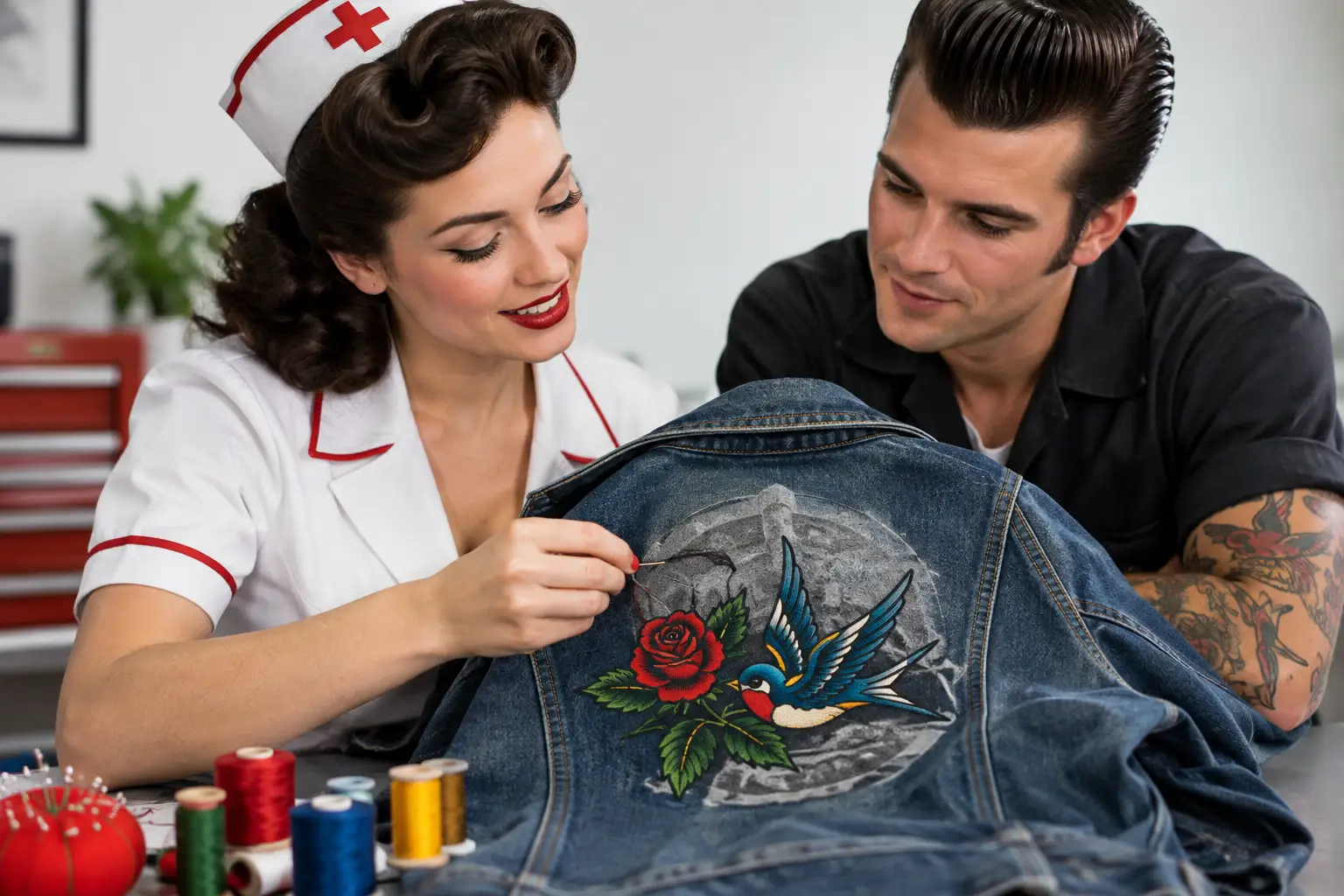
Can embroidery cover old logos? Learn which garments can be refreshed with a stitched cover-up and how to get a clean, professional-looking finished piece.
A former logo can turn a perfectly good jacket, vest, or polo into something your team no longer wants to wear. So, can embroidery cover old logos? Often, yes - but only when the garment, original decoration, and new design work together. A cover-up should look intentional, not like the apparel equivalent of placing a sticky note over a charting error.
For professional uniforms, the goal is not merely to hide old branding. It is to restore a clean, credible finish that people are comfortable wearing in front of patients, clients, students, or customers. That takes an honest assessment before the first stitch goes in.
When embroidery can cover old logos successfully
Embroidery is strongest as a logo cover-up when the old mark is relatively small, flat, and positioned where a new design can naturally be larger. A left-chest clinic logo, a retired department name, or an outdated barn insignia may be covered by a new logo, monogram, department title, or shaped patch-style embroidery.
The new embroidery must extend beyond the old logo on every side. This matters because embroidery has dimension. Even dense stitching cannot reliably disguise an old design that remains visible at the edge, especially on smooth polos, lightweight jackets, or garments in a contrasting color.
A good rule is to make the new design noticeably larger than the old one rather than trying to match it exactly. If an existing logo is 3 inches wide, a new 3-inch-wide logo rarely provides enough margin. A wider design, an emblem with a background shape, or a custom name-and-credential arrangement may produce a much cleaner result.
Garment construction also matters. Midweight and heavyweight fleece, soft-shell vests, work jackets, canvas bags, and stable woven uniforms tend to support a cover-up well. Their structure helps carry the density of the stitching and reduces the chance that the old logo will show through.
What embroidery will not fully hide
Not every old logo is a candidate for a direct embroidered cover-up. Being clear about that upfront saves money and prevents a result that feels like a compromise.
Large back logos are difficult to hide cleanly with standard embroidery. The replacement would need to be substantially larger, which can become heavy, stiff, and expensive. Full-back embroidery has its place for select jackets and equestrian apparel, but it is not usually the practical answer to covering a large screen-printed graphic.
Raised or textured decoration can also cause trouble. Existing embroidery, puff ink, vinyl, silicone transfers, rhinestones, and patches create bulk beneath the new stitches. The new embroidery may follow the contours of what is underneath, leaving a visible outline or uneven surface. Removing the old decoration first can help, but removal itself carries risk.
Lightweight performance fabrics deserve extra caution. Adding dense stitches over an old logo can pull, pucker, or distort the fabric. This is especially true with thin moisture-wicking polos, stretch scrubs, windbreakers, and delicate outerwear. The garment may technically accept embroidery while still failing to look polished when worn.
Color is another deciding factor. A pale old logo beneath a dark, dense embroidered design may disappear well. A bright red screen print beneath white thread is more likely to show through. Fabric color, logo color, stitch density, and lighting all change the outcome.
The best ways to cover an old logo with embroidery
The right solution depends on where the old logo sits and how much of it needs to disappear. For left-chest placements, a larger updated company logo is often the cleanest approach. A practice can replace an outdated mark with its current logo and add a name or credential on the opposite chest for a coordinated uniform look.
For a small logo on a jacket sleeve or vest, a department insignia, service mark, or custom emblem can work well. Schools, EMS teams, barns, and trade crews often have enough visual identity to create a replacement that looks planned from the beginning.
A shaped embroidery design is particularly useful when the original artwork is wide, tall, or irregular. Instead of placing plain lettering over a rectangular old logo, a badge, shield, circle, oval, or other filled shape creates a deliberate background. This gives the new stitching a boundary and helps prevent the old design from peeking out at the edges.
In some cases, a sewn-on patch is the better choice. A premium embroidered patch can cover a larger area without packing excessive stitches directly into the garment. It also creates a uniform, purposeful look across a team. This is a practical option for work jackets, shop coats, outerwear, bags, and durable vests, provided the patch is proportioned correctly for the garment.
Can old embroidery be removed first?
Sometimes. Existing embroidery can be removed with specialized tools, but it is not a guaranteed reset button. Stitching leaves needle holes, compressed fibers, and sometimes a faint shadow from sun fading or repeated laundering. If the original embroidery was dense, the fabric beneath it may never look fully untouched again.
Removal is generally more forgiving on heavier fabrics than on thin polos or stretch garments. Even on a sturdy jacket, it should be handled carefully. Pulling threads too aggressively can cut fabric fibers, creating a weak spot that becomes obvious once a new logo is applied.
For that reason, covering the old embroidery is often safer than removing it - if the new design has enough size and density to do the job. A garment inspection or clear photos of the existing logo can establish whether removal, cover-up embroidery, a patch, or replacement apparel is the best investment.
Design choices that make the cover-up look intentional
A successful cover-up begins before production, not at the machine. Start with the exact dimensions of the old logo, including any small text or marks around it. Measure the full footprint, not just the most visible portion. Then select a new design that offers enough coverage without overpowering the garment.
Thread color should be chosen for coverage as well as brand consistency. Darker thread colors and filled areas generally conceal better than sparse lettering or fine-line designs. That does not mean every replacement needs to become a heavy block of stitching. It means the design should be engineered for the problem it is solving.
Placement deserves the same attention. If the old logo sits on the left chest, moving the new logo slightly may leave the original mark exposed. If relocation is necessary, consider whether the old area can become a name placement, a patch location, or remain covered by a separate element. A uniform looks more professional when the arrangement feels balanced across the garment.
This is also the moment to ask whether the old garment still represents the standard your team wants to present. If a jacket is faded, stretched, heavily stained, or worn thin around cuffs and collars, recovering its logo may not be the best value. New premium apparel with consistent custom embroidery may serve the team longer and look sharper from day one.
A practical review process for team apparel
Before approving a logo cover-up for multiple garments, review one representative piece closely. Teams often own the same jacket in different ages, colors, or fabric batches. An old logo that hides well on one black fleece may show more clearly on a newer navy version.
Provide photos taken straight on in natural light, along with the old logo's width and height. Include the garment brand, style, fabric content, and the placement of seams, pockets, zippers, or lining. These details affect hooping, stitch quality, and what size of replacement design is practical.
For larger orders, a sample is worth considering. It confirms the coverage, thread colors, texture, and placement before the full run moves forward. This is particularly valuable for healthcare offices, dental practices, schools, hospitality teams, and trades that need every employee to look consistent. Professional apparel is visible branding. A shortcut that looks obvious can undermine the very consistency the order was meant to create.
When replacement apparel is the smarter call
There is a point where covering an old logo costs more effort than it is worth. Large printed graphics, damaged fabric, thin performance material, and heavily embroidered designs can make replacement the more polished and economical option. It also gives an organization the chance to standardize garment color, fit, logo placement, and credentials across the team.
For a single favorite jacket, a thoughtful cover-up can extend its useful life and preserve a garment that still fits well. For a department refresh, new embroidered jackets, vests, or polos may better reflect a new name, new leadership, or a higher professional standard.
The strongest choice is the one that looks deliberate from across the room and holds up through real use. If the old logo cannot disappear with confidence, let the next piece carry the new identity cleanly - with the quality and pride your work deserves.